

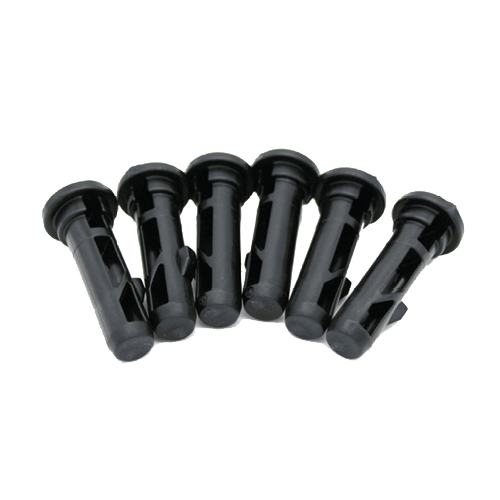
*Image for illustrative purposes only
*Due to the many variations in monitors and browsers, color samples may appear different on different monitors
-----
Complete Guide to Mobile Garbage Bin (MGB) Hinge Pins
Mobile Garbage Bins (MGBs)—commonly known as wheelie bins—are essential equipment across commercial, industrial, municipal, and residential waste management setups. While wheels and handles receive significant attention, the small hinge pins connecting the bin lid to the main body are crucial to daily functionality.
Without functioning hinge pins, bin lids can become misaligned, crack under tension, detach completely, or fail to seal properly. A compromised lid allows pest infestations, rain accumulation, and foul odors to escape. Installing high-strength, durable MGB hinge pins ensures that waste containers remain fully operational, hygienic, and compliant with waste management standards.
This comprehensive guide covers everything you need to know about MGB Hinge Pins—including their mechanical role, material choices, industry applications, step-by-step replacement procedures, and maintenance protocols.
What Are MGB Hinge Pins?
MGB Hinge Pins are heavy-duty cylindrical locking pins designed specifically to connect the rear handle/hinge sockets of a Mobile Garbage Bin body to its lid.
Rather than acting as basic plastic rods, hinge pins perform essential structural functions:
-
Pivot Axis Creation: They form a fixed horizontal axis around which the lid rotates smoothly through a full 270-degree range during opening and automated collection emptying.
-
Lid Alignment & Sealing: They hold the lid flush against the bin's top lip, ensuring a tight seal that prevents water ingress, insect intrusion, and odor leakage.
-
Stress Distribution during Automated Dumping: During mechanical emptying by automated side-loader or rear-loader waste trucks, the hinge pins absorb intense physical shocks as the bin is inverted and shaken violently over collection hoppers.
Key Performance Features & Technical Advantages
Quality MGB hinge pins are engineered to withstand severe weather exposure, heavy physical impacts, and continuous daily opening and closing cycles.
1. High-Density Synthetic Material Construction
Using low-grade plastic or improvised metal rods leads to rapid snapping, corrosion, or severe friction wear on the bin's molded sockets.
-
High-Impact Polymers: Typically manufactured from high-density polyethylene (HDPE) or reinforced polyoxymethylene (POM), providing high tensile strength and impact resistance without brittle cracking.
-
UV Stabilization: Treated with ultraviolet (UV) inhibitors to prevent the polymer from degrading, yellowing, or becoming brittle under prolonged direct sunlight exposure.
-
Corrosion & Chemical Resistance: Polymer pins are completely immune to rust, moisture, leachates, and harsh chemical sanitizers used during routine bin washdowns.
2. Snap-Lock Retention Mechanism
Modern MGB hinge pins feature integrated barb latches or expansion locking tabs:
-
Tool-Free Lock Engagement: Designed to press into the bin handle socket and lock permanently into place via expanding barbs, preventing pins from backing out during daily use or automated truck emptying.
-
Vibration Resistance: Absorbs violent shocks and vibrations during curb drops and automated hydraulic lifting without loosening.
Damaged or Missing Pins vs. Heavy-Duty MGB Hinge Pins
Operating waste bins with missing or damaged hinge pins leads to rapid bin failure and hygiene problems.
Sector-By-Sector Application Guide
Reliable hinge pins are essential across every sector relying on standardized wheelie bins:
1. Residential & Municipal Waste Management
-
Curbside Collection Bins: Withstands weekly automated truck lifting and dumping for standard 120L, 240L, and 360L residential wheelie bins.
-
Community Recycling Hubs: Keeps multi-colored sorting lids securely attached despite heavy public use.
2. Commercial Buildings & Shopping Centres
-
Food Court Waste Containers: Maintains tight-fitting lids to control food odors and prevent fruit fly infestations in back-of-house service areas.
-
Facility Maintenance Bins: Supports heavy janitorial bins transported across indoor and outdoor commercial spaces.
3. Industrial Facilities & Manufacturing Plants
-
Factory Scrap & Waste Bins: Handles heavy industrial waste disposal where bins are frequently moved across rough concrete floors and outdoor yards.
-
Chemical & Cleanroom Environments: Chemical-resistant polymer pins withstand floor cleaning agents and harsh washdown chemicals without corroding.
4. Hospitality, Hotels & Restaurants
-
Commercial Kitchen Bins: Ensures sanitary lid operation on organic waste bins, preventing pest access and odor spread in food prep zones.
5. Healthcare Facilities & Hospitals
-
Biohazard & Clinical Waste Bins: Guarantees absolute lid closure on medical waste containers, ensuring biohazardous waste remains isolated and secure.
Step-by-Step Installation & Replacement Guide
Replacing broken or missing MGB hinge pins is a straightforward process that restores bin functionality in minutes without needing complete bin replacements.
Step 1: Gather Tools and Safety Gear
Before starting, ensure you have:
-
Replacement MGB Hinge Pins (matching your bin size and brand specification, such as 120L/240L/360L)
-
A flathead screwdriver or punch tool (for removing old broken pin shanks)
-
A rubber mallet or soft hammer
-
Safety glasses and heavy-duty work gloves
Step 2: Remove Damaged or Broken Pins
-
Open the bin lid to relieve tension on the hinge assembly.
-
If a broken pin shank is stuck inside the hinge socket, use a punch tool or flathead screwdriver and tap it lightly with a mallet to drive the old pin remnant out through the back of the socket.
-
Clean any accumulated dirt or debris from the interior hinge socket.
Step 3: Align Lid and Handle Hinge Sockets
-
Position the bin lid onto the main body handle structure.
-
Align the hinge eyelets of the lid precisely with the matching socket channels on the rear bin handle.
Step 4: Insert the New Hinge Pin
-
Push the new hinge pin manually into the aligned hinge hole.
-
Ensure the pin orientation matches the locking slot (barbed retention tabs usually line up with an internal groove).
Step 5: Drive and Lock the Pin Home
-
Tap the head of the hinge pin gently using a rubber mallet until you hear or feel the internal locking barbs snap firmly into place.
-
Note: Avoid using heavy steel hammers directly on plastic pin heads, as excessive force can shear the retention tabs.
Step 6: Test Lid Mobility
-
Open and close the lid fully several times.
-
Verify that the lid rotates smoothly through its full movement range and rests flat against the top rim of the bin body without catching or binding.
Preventative Maintenance & Care Protocol
Simple maintenance protocols ensure hinge pins remain secure and functional over long service periods.
Monthly Routine Checks
-
Inspect Pin Engagement: Check that hinge pin heads sit flush against the outer handle socket and have not backed out from automated truck dumping.
-
Check Lid Alignment: Ensure the lid sits square on the bin body. A misaligned lid indicates a cracked or worn hinge pin.
Cleaning Protocols
-
Clear Dirt Build-Up: Pressure-wash or hose down the rear handle area during routine bin cleaning to remove dirt, grease, and grime from the hinge sockets.
-
Avoid Harsh Petroleum Solvents: While polymer pins resist water and general cleaners, avoid prolonged contact with concentrated petroleum-based solvents that could weaken synthetic plastics over time.
Troubleshooting Common Issues
Use this guide to quickly diagnose and resolve common MGB hinge pin problems.
Issue 1: Hinge Pin Keeps Backing Out During Use
-
Likely Cause: The internal snap-barb or locking tab on the pin has snapped off during installation or previous dumping.
-
Solution: Extract the damaged pin and replace it with a fresh hinge pin featuring intact retention barbs.
-
Issue 2: Pin Is Hard to Drive into the Hinge Socket
-
Likely Cause: Dirt, dried mud, or plastic flashing from manufacturing is blocking the hinge channel.
-
Solution: Clean the hinge hole using a wire brush or screwdriver shank before tapping the new pin in.
-
Issue 3: The Lid Feels Stiff and Unbalanced
-
Likely Cause: One pin is installed correctly while the other side is missing or partially seated.
-
Solution: Ensure both left and right hinge pins are installed evenly and fully seated into their respective sockets.
-
Frequently Asked Questions (FAQs)
Q1: Are all MGB hinge pins the same size?
No. While many standard 120-litre and 240-litre wheelie bins use interchangeable universal hinge pins, larger industrial bins (such as 360L, 660L, or 1100L bulk bins) or specific manufacturer designs may require specific pin lengths or diameter profiles. Always check your bin size before ordering replacements.
Q2: Why are MGB hinge pins made of plastic instead of metal?
High-impact plastic (like HDPE) is lightweight, 100% rust-proof, UV-stabilized, and flexible enough to absorb high physical shocks during automated truck emptying without permanently bending or damaging the bin body. Metal pins can rust, bend, and tear through plastic bin handles over time.
Q3: Can I re-use a hinge pin after removing it?
Only if the locking barbs remain fully intact. In many cases, removing a snap-fit pin deforms or snaps the retention barbs, so replacing removed pins with new ones is recommended to ensure secure locking.
Q4: How many hinge pins does a standard wheelie bin require?
Standard 2-wheel mobile garbage bins (such as 120L or 240L models) typically require two hinge pins—one for the left hinge socket and one for the right.
Q5: What tools are needed to replace an MGB hinge pin?
Basic replacement usually requires only a rubber mallet to tap the new pin home, along with a screwdriver or punch tool to drive out remnants of old broken pins.
Q6: Why do hinge pins break in cold weather?
Extreme cold can make standard plastics more brittle. Quality MGB hinge pins utilize high-impact, cold-resistant polymer formulations designed to maintain flexibility and strength even in sub-zero temperatures.
Q7: Can missing hinge pins cause my bin lid to break?
Yes. Operating a bin with only one hinge pin places uneven twisting stress on the remaining hinge socket every time the lid is opened or dumped, eventually cracking the bin handle or lid mounting eyelet.
Q8: How do I stop insects and odors from escaping my waste bin?
Installing functional hinge pins ensures the lid stays flush and aligned against the top lip of the bin body, creating a tight seal that contains odors and prevents pests from entering.